The Hidden Systems Behind Reliable Plant Science Research
Jul 29, 2026
When researchers evaluate new genetics, study plant responses, or conduct large-scale phenotyping trials, the focus is often on the plants themselves. Yet behind every successful experiment is a carefully engineered environment that ensures every plant experiences consistent growing conditions. In controlled environment agriculture and plant science research, environmental uniformity is not just a convenience, it is essential for generating reliable, reproducible results. Three critical components help make that possible in Conviron plant growth rooms and growth houses:
- Air Handling Units (AHUs)
- Duct Sock Air Dispersion Systems
- Air-Assisted Spray Nozzle Humidification (ASNH)
Together, these systems among others, help to create the stable environmental conditions researchers depend on to produce high-quality data.
AHUs: The Foundation of Climate Control
The air handling unit is the heart of any controlled environment room. Responsible for conditioning, circulating, and distributing air throughout the growth space, the AHU manages the key environmental variables that directly influence plant growth, including temperature, humidity, and airflow.
Conviron AHUs are engineered specifically for each project, with fan capacities, heating and cooling coils, filtration systems, and airflow patterns tailored to the room's requirements. By continuously circulating and conditioning air, the AHU helps maintain precise environmental setpoints while supporting uniform conditions throughout the crop canopy.
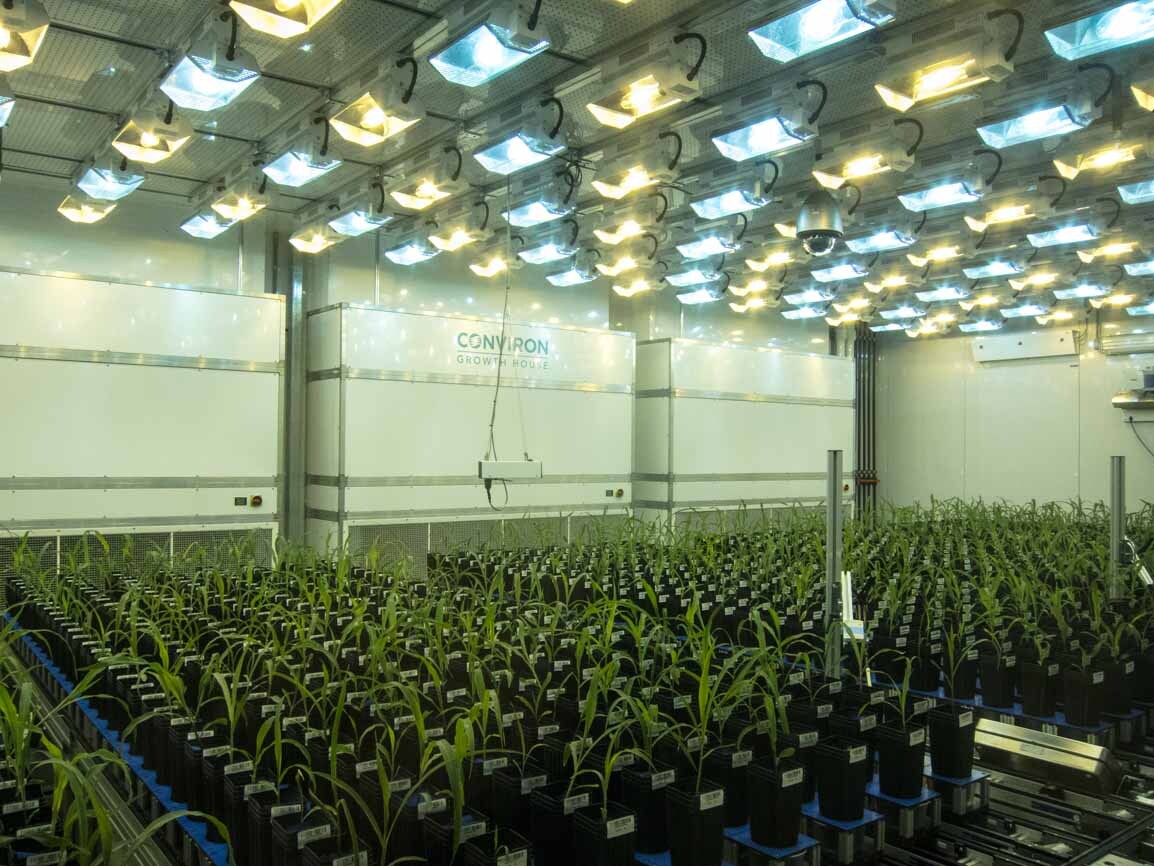
For researchers, this consistency is critical. Even small temperature or humidity variations can influence plant growth rates, physiology, and experimental outcomes. A properly engineered AHU minimizes these fluctuations, helping ensure that observed differences in plant performance are driven by treatment effects rather than environmental inconsistencies.
Whether supporting a compact research room, a large growth house, or a facility retrofit, AHUs provide the climate control platform that enables dependable plant science research.


Data Sheets
Air Handling Units (AHU)
Duct Socks: Delivering Uniform Airflow Where It Matters Most
Conditioned air is only valuable if it reaches plants evenly. That's where Conviron's duct sock air dispersion systems play an important role.
Connected directly to the AHU, fabric duct socks distribute conditioned air continuously along their length through engineered perforations. Unlike conventional ductwork that may create concentrated airflow zones, duct socks provide low-velocity, uniform air delivery across benches, shelving systems, and crop areas.
The result is more balanced temperature and humidity conditions throughout the growing space, with fewer drafts, hot spots, cold spots, and localized humidity differences.
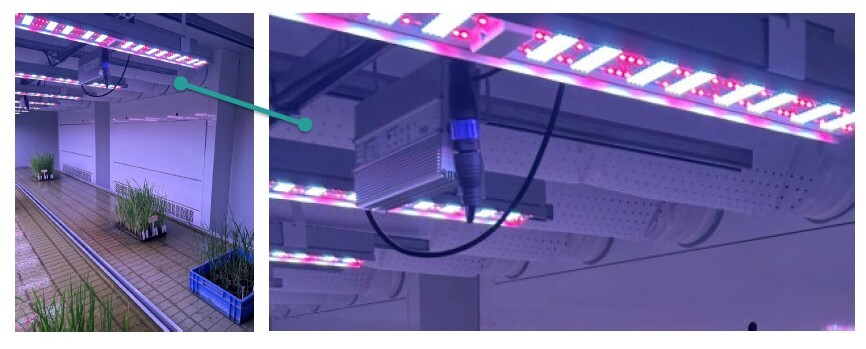
For plant scientists, airflow uniformity directly affects research quality. Uneven environmental conditions can introduce variability into experiments, making it difficult to distinguish actual treatment responses from environmental influences. By promoting consistent air movement throughout the room, duct socks help create a more uniform growing environment that supports repeatable outcomes across crop, seed, and phenotyping studies.
An additional benefit is their practical design. Lightweight, removable, and washable, fabric ducts simplify maintenance while offering a corrosion-resistant alternative to traditional sheet metal distribution systems.

Data Sheets
Duct Socks
ASNH: Precise Humidity Management
Humidity is one of the most important environmental parameters influencing transpiration, nutrient uptake, disease pressure, and overall plant performance. Maintaining the correct humidity level can significantly impact both crop development and the reliability of research results.
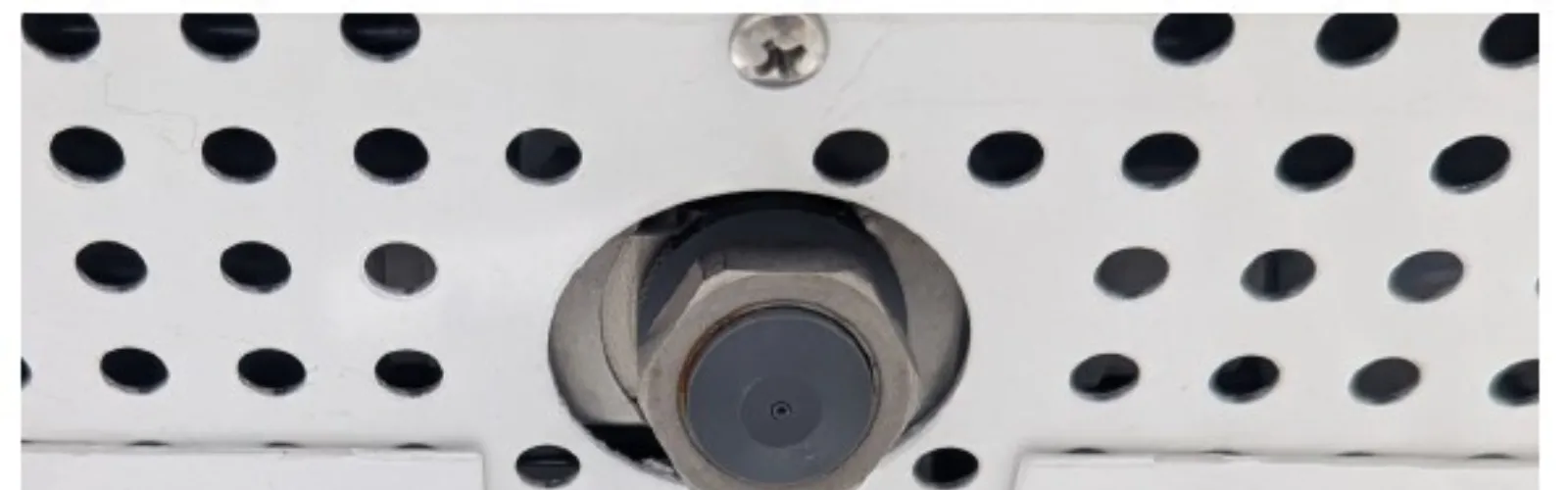
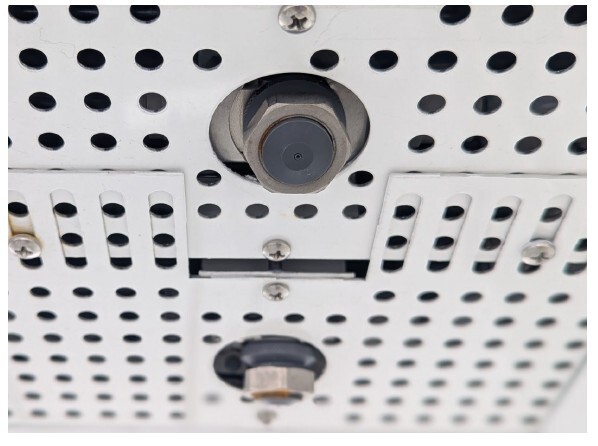
Conviron's Air-Assisted Spray Nozzle Humidification (ASNH) system provides an effective solution by introducing finely atomized water droplets directly into the AHU air stream. As conditioned air moves through the system, moisture is evenly incorporated before being distributed throughout the growth space.
This approach delivers rapid response and accurate humidity control while integrating seamlessly with the overall environmental control system. Because moisture is introduced directly into circulating air, researchers can achieve and maintain target humidity levels more efficiently.
The system also offers practical operational advantages. When supplied with reverse-osmosis purified water, ASNH systems require minimal maintenance and help reduce issues associated with mineral buildup and nozzle fouling. For many facilities, the technology provides a cost-effective humidification solution by utilizing existing building water pressure.

Data Sheets
Air-Assisted Spray Nozzle Humidification (ASNH)
A Complete Environmental Control Solution
While each of these technologies provides individual benefits, their true value comes from working together as part of a fully integrated controlled environment system.
The AHU conditions and circulates the air. The duct sock system distributes that conditioned air evenly throughout the growing space. The ASNH system ensures humidity remains within precise target ranges. Together, they help create the uniform environmental conditions required for reliable, repeatable plant science research.
For research institutions, breeding programs, seed developers, and controlled environment agriculture facilities, these systems represent far more than infrastructure. They are foundational tools that help eliminate environmental variability, improve experimental confidence, and support the reproducible results that drive scientific discovery.
In plant science, every data point matters. That's why the systems behind the environment deserve just as much attention as the plants growing within it.
